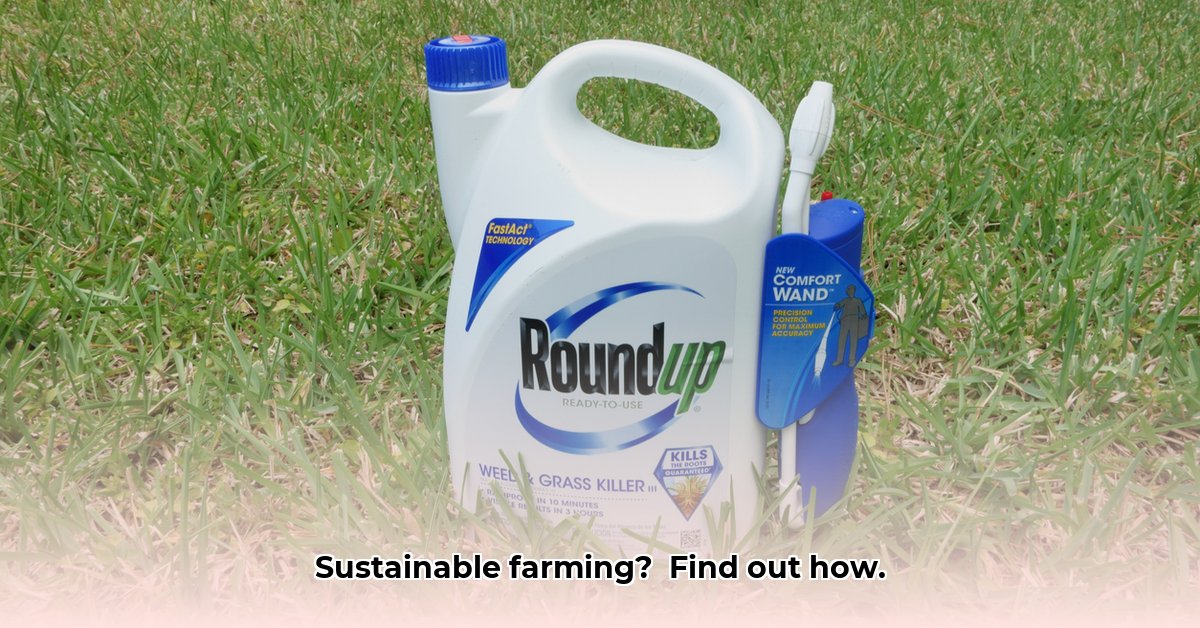
Roundup, a widely used herbicide available at Tractor Supply and other retailers, has significantly impacted agricultural practices. However, its extensive use has ignited a considerable debate concerning its long-term environmental and human health consequences. This article analyzes the multifaceted aspects of glyphosate, the active ingredient in Roundup, exploring its benefits, drawbacks, and potential sustainable alternatives within the context of modern agriculture. For more on sustainable farming supplies, check out Tractor Supply resources.
The Glyphosate Debate: A Balanced Perspective
Glyphosate's effectiveness as a broad-spectrum herbicide is undeniable. Its introduction revolutionized weed control, leading to increased crop yields and reduced labor costs for farmers globally. This translates into lower food prices for consumers and enhanced profitability for agricultural producers. However, this success is tempered by significant concerns.
Research suggests potential detrimental effects on beneficial insects and soil microorganisms, vital components of a healthy ecosystem. The emergence of glyphosate-resistant weeds further complicates the issue, necessitating increased herbicide application or the adoption of alternative weed management strategies. The long-term impacts on human health also remain a subject of ongoing scientific investigation and debate.
| Potential Benefits of Glyphosate | Potential Drawbacks of Glyphosate |
|---|---|
| Increased crop yields and reduced food costs | Potential harm to beneficial insects and soil microorganisms |
| Simplified weed management and reduced labor costs | Development and spread of glyphosate-resistant weeds |
| Enhanced farmer profitability | Uncertain long-term effects on human health and the environment |
| Effective control of a wide range of weeds | Potential for groundwater contamination and aquatic ecosystem disruption |
How can we reconcile the benefits of glyphosate with the growing concerns regarding its environmental and health impacts? This is a critical question demanding careful consideration and innovative solutions.
Environmental Concerns: A Complex Ecosystem
The environmental implications of glyphosate are multifaceted and require thorough investigation. While glyphosate's soil persistence is relatively short, its widespread use raises critical concerns. Runoff into waterways can harm aquatic life, and its impact on soil biodiversity remains a subject of active research. Some studies indicate disruptions to the delicate balance of beneficial microorganisms crucial for healthy soil. The escalating prevalence of herbicide-resistant "superweeds" further exacerbates the problem, potentially creating a vicious cycle of increased herbicide application and amplified environmental effects. Given the scale of glyphosate application, even seemingly minor individual impacts can add up to significant ecological repercussions.
Human Health Impacts: Ongoing Research
Concerns regarding glyphosate's potential impact on human health persist. Although some studies suggest links between glyphosate exposure and specific health problems, others haven't established a definitive causal relationship. The long-term effects of exposure to low levels of glyphosate, especially for farmworkers and consumers, remain unclear. The scientific community continues to debate the interpretation of existing data, and further research is needed to fully understand the potential risks. The precautionary principle suggests that caution is warranted until definitive conclusions can be reached. "The lack of conclusive evidence doesn't mean there's no risk," notes Dr. Anya Sharma, Environmental Toxicology Professor at the University of California, Berkeley.
Sustainable Alternatives: A Multifaceted Approach
Fortunately, alternative, more sustainable weed management methods are increasingly available. Integrated Pest Management (IPM) is a holistic approach that combines various techniques to minimize reliance on chemical herbicides. These include mechanical methods (tilling, cultivating), crop rotation to disrupt weed cycles, cover cropping to suppress weed growth, and the utilization of biological controls (natural predators). While these methods may initially require more labor and investment, they often offer long-term economic and environmental advantages.
The Role of Retailers and Policy Makers
Retailers like Tractor Supply play a critical role in supporting sustainable agricultural practices. By expanding their offerings to include organic and bio-based alternatives and providing educational resources on sustainable farming methods, these companies can empower farmers to make informed decisions. Clear and accessible product labeling is essential. Policymakers must also facilitate the transition toward more sustainable practices through targeted supportive regulations and research funding initiatives. "We need a collaborative effort between farmers, researchers, retailers, and government to effectively tackle the challenges of sustainable weed management," says Mr. John Miller, CEO of Sustainable Agriculture Solutions.
Steps Towards Sustainability: An Actionable Plan
The transition to sustainable weed management necessitates a systematic approach involving multiple stakeholders:
- Farmers: Implement IPM strategies; incorporate crop rotation and cover cropping; minimize herbicide reliance.
- Agricultural Companies: Invest in R&D of environmentally friendly alternatives.
- Retailers: Offer a wider range of sustainable options; provide educational resources.
- Government Agencies: Increase research funding; implement policies that promote sustainable practices.
The shift towards sustainable herbicide use requires a long-term commitment. By adopting a comprehensive and collaborative strategy, we can build a future where agriculture thrives while safeguarding environmental health and human well-being. The journey demands continuous adaptation, innovation, and a holistic perspective that encompasses economic, social, and ecological considerations.